A boiler losing pressure is one of the most common heating problems homeowners experience. You might notice the pressure gauge dropping, your radiators not heating properly, or your boiler switching itself off altogether. Sometimes it happens slowly over a few weeks, while other times the pressure seems to disappear almost overnight.
Although low boiler pressure is not always an emergency, it is a sign that something in your heating system needs attention. In some cases, it may be a simple issue that can be topped up safely. In others, it could point to a leak, a faulty part, or a problem that needs a qualified heating engineer.
What Does Boiler Pressure Actually Mean?
Boiler pressure refers to the pressure of the water circulating around your central heating system. Your boiler needs the right amount of pressure to move hot water through the pipes, radiators and heating components around your home.
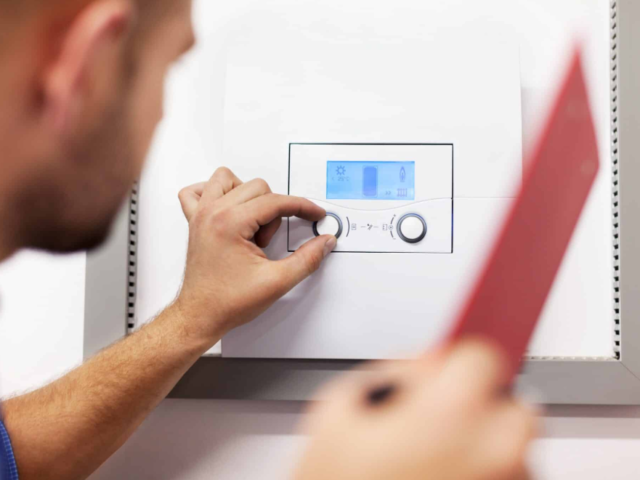
Most modern boilers have a pressure gauge on the front, often showing pressure in “bar”. When the system is cold, many boilers sit somewhere around 1 to 1.5 bar, although the correct pressure can vary depending on the boiler model. If the pressure drops too low, your boiler may stop working to protect itself from damage.
How Do I Know If My Boiler Pressure Is Too Low?
The most obvious sign is the pressure gauge reading below the recommended level. On many boilers, this may be below 1 bar, but you should always check your boiler manual for the correct range.
You may also notice your heating is not coming on, your radiators are only partly warm, or your boiler is showing a fault code. Some boilers will display a warning light or shut down completely when the pressure is too low.
Why Does Boiler Pressure Drop?
Boiler pressure usually drops because water has escaped from the heating system, or because a component inside the system is not working as it should. Even a small amount of water loss can cause the pressure gauge to fall.
The cause is not always obvious straight away. A dripping radiator valve, a tiny pipe leak, or a faulty pressure relief valve can all lead to pressure loss. That is why it is important to look at how often the pressure is dropping, rather than simply topping it up again and again.
A Leak Somewhere in the Heating System
One of the most common reasons for a boiler losing pressure is a leak. This could be from a radiator, pipe joint, valve, towel rail, or even pipework hidden under flooring. Small leaks are not always easy to spot, especially if the water is escaping slowly or evaporating before it forms a visible puddle.
Look for damp patches, water marks, rust, green staining around copper pipework, or wet areas near radiator valves. Even if the leak looks minor, it can still cause your boiler pressure to keep dropping and should be repaired before it causes further damage.
A Leaking Boiler
Sometimes the leak may be coming from the boiler itself. You may see water underneath the boiler, around the pipework, or near the pressure relief pipe outside. A boiler leak should always be taken seriously because it can involve internal components.
You should not remove the boiler casing or try to repair anything inside the appliance yourself. If your boiler is leaking, turn it off if it is safe to do so and contact a Gas Safe registered heating engineer to inspect it properly.
Recently Bled Radiators
If you have recently bled your radiators, this may explain why your boiler pressure has dropped. Bleeding radiators releases trapped air from the system, but it can also reduce the overall pressure.
In this situation, the pressure may only need topping back up using the filling loop, following your boiler manufacturer’s instructions. However, if the pressure keeps falling after being topped up, there is likely another issue that needs checking.
A Faulty Pressure Relief Valve
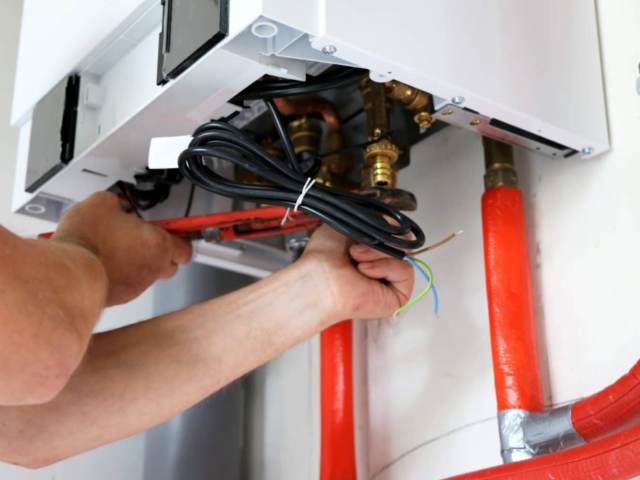
Your boiler has safety components designed to protect the system if the pressure gets too high. One of these is the pressure relief valve, often called a PRV. If this valve is faulty or has opened due to high pressure, it may allow water to escape from the system.
A common sign is water dripping from the copper discharge pipe outside your property. If this is happening, the pressure may drop repeatedly even after you top it up. This is not something to ignore, as the valve may need repairing or replacing by a qualified heating engineer.
Expansion Vessel Problems
Another possible cause of pressure loss is a problem with the expansion vessel. The expansion vessel helps manage the pressure changes that happen when water heats up and expands inside the system.
If the expansion vessel loses its charge or fails, your boiler pressure may rise too high when the heating is on and then drop too low when the system cools down. This can make the pressure seem unpredictable and may lead to repeated boiler faults.
The Filling Loop May Not Be Fully Closed
The filling loop is the part used to top up pressure in many boiler systems. If it has recently been used and not closed properly, it can cause pressure problems. In some cases, it may allow too much water into the system, which can then trigger the pressure relief valve.
If you are unsure how to use or close your filling loop, check your boiler manual. Do not force valves or attempt to adjust anything you are not confident with, as this can make the issue worse.
Can I Just Keep Topping Up My Boiler Pressure?
Topping up the boiler pressure once or twice may be fine if there is an obvious reason, such as recently bleeding radiators. However, if you find yourself topping it up regularly, there is almost certainly an underlying problem.
Repeatedly adding water to the system can also reduce the effectiveness of corrosion inhibitors inside the heating system. Over time, this may contribute to sludge, rust and further heating problems, especially if the cause of the pressure loss is not repaired.
Is Low Boiler Pressure Dangerous?
Low boiler pressure itself is not usually dangerous in the same way as a gas leak or carbon monoxide issue. However, it can stop your boiler from working properly and may indicate a leak or fault that should not be left unresolved.
You should be more cautious if you notice unusual smells, staining around the boiler, water leaking from the appliance, strange noises, or repeated fault codes. Anything involving the inside of the boiler should be checked by a qualified engineer.
What Should I Do If My Boiler Keeps Losing Pressure?
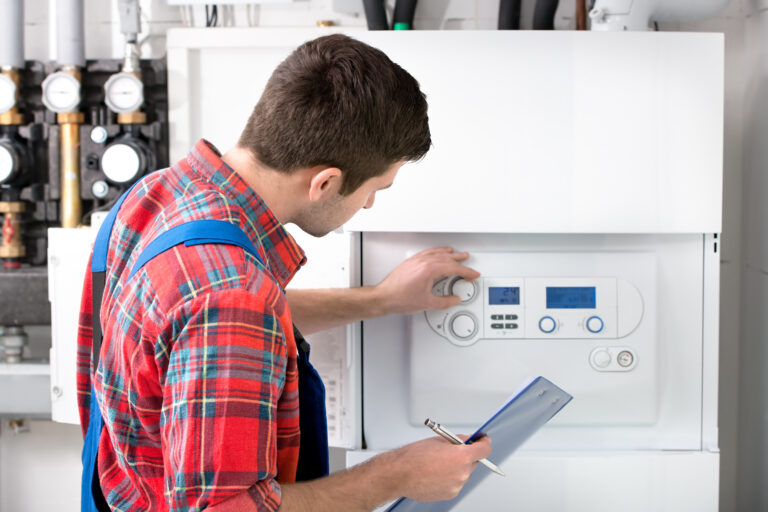
Start by checking the pressure gauge and looking around your home for visible signs of leaks. Check radiators, pipe joints, towel rails and areas around the boiler. If you have recently bled radiators, the system may simply need repressurising according to the boiler manual.
If the pressure drops again after topping it up, or if you cannot find the cause, it is time to call a heating engineer. A professional can test the system, check the boiler components, inspect the pressure relief valve and expansion vessel, and identify leaks that may not be obvious.
When Should I Call a Boiler Repair Engineer?
You should call a boiler repair engineer if the pressure keeps dropping, your boiler will not stay on, you see water leaking from the boiler, or you are having to top up the pressure more than occasionally. You should also get help if the pressure rises too high when the heating is on and then falls again afterwards.
A boiler that repeatedly loses pressure is unlikely to fix itself. The sooner the cause is found, the easier it usually is to prevent further damage to your heating system.
Boiler Losing Pressure in Doncaster?
If your boiler keeps losing pressure, CNPH Plumbing and Heating Services can help diagnose the problem and get your heating system working properly again. Whether it is a leaking radiator valve, a boiler fault, a pressure relief valve issue or a hidden problem within the system, our team can provide honest advice and reliable repairs.
For boiler repairs in Doncaster and the surrounding areas, contact CNPH Plumbing and Heating Services today to arrange a visit from an experienced heating engineer.