A burst pipe ranks among the most stressful plumbing emergencies a homeowner faces. Water spreads quickly, damage escalates fast, and every minute matters. Knowing what to do first reduces property damage, protects your heating and plumbing systems, and helps emergency plumbers resolve the issue faster when they arrive.
This guide explains the correct steps to take as soon as a pipe bursts in your home.
Stay calm and act quickly
Panic slows decision-making. A burst pipe creates urgency, yet clear action limits further damage. Focus on stopping the water flow first, then protecting your property. Every action below supports that goal during a plumbing emergency.
1. Shut off the water supply immediately
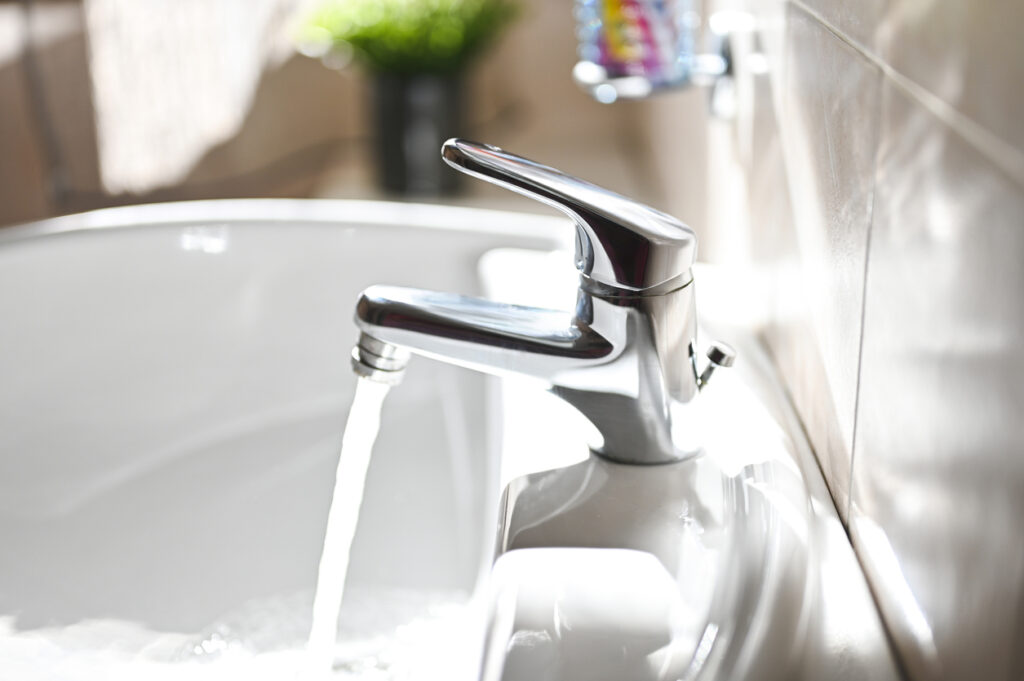
The most important step involves stopping the water supply. Locate your main stop tap and turn it off fully. This tap usually sits under the kitchen sink, near the boiler, or close to where the water supply enters the property.
If the burst pipe affects only one fixture and isolation valves are accessible, turn those off as well. Stopping the water supply prevents further flooding and reduces pressure within the plumbing system.

2. Turn off your heating system
After isolating the water, switch off your heating system and boiler. A burst pipe often links to central heating pipework, and continued operation increases pressure and water loss.
Turning the system off protects the boiler, radiators, and pipework from additional damage. This step also supports safer inspection later by professional plumbers. If the boiler has taken damage, a professional boiler repair can get you up and running quickly.

3. Drain the remaining water from the system
Open all cold taps and flush toilets to drain remaining water from the pipes. This reduces internal pressure and limits further leakage from the damaged section.
If the burst pipe connects to central heating, bleeding radiators also helps relieve pressure within the system.
Protect your property from water damage
Water spreads fast through floors, walls, and electrical points. Move furniture, rugs, and valuables away from the affected area. Use towels, buckets, or containers to catch dripping water and limit pooling.
Avoid electrical sockets near standing water. If water reaches electrical fittings, isolate power at the consumer unit where safe to do so.
Avoid temporary pipe repairs
Tape, sealants, or improvised fixes often worsen damage or delay proper repairs. Burst pipes require professional pipe repairs using the correct materials and fittings.
Temporary fixes also complicate later plumbing repairs and may increase the risk of leaks returning once pressure builds again.
Contact emergency plumbers as soon as possible
Once the water and heating systems are isolated, contact emergency plumbers without delay. Provide clear information about the location of the burst pipe, visible damage, and whether water reached floors or walls.
Local emergency plumbers arrive with the tools and knowledge needed to carry out urgent plumbing repairs, restore water supply safely, and protect the wider plumbing and heating system.
Do not ignore small leaks after a burst pipe
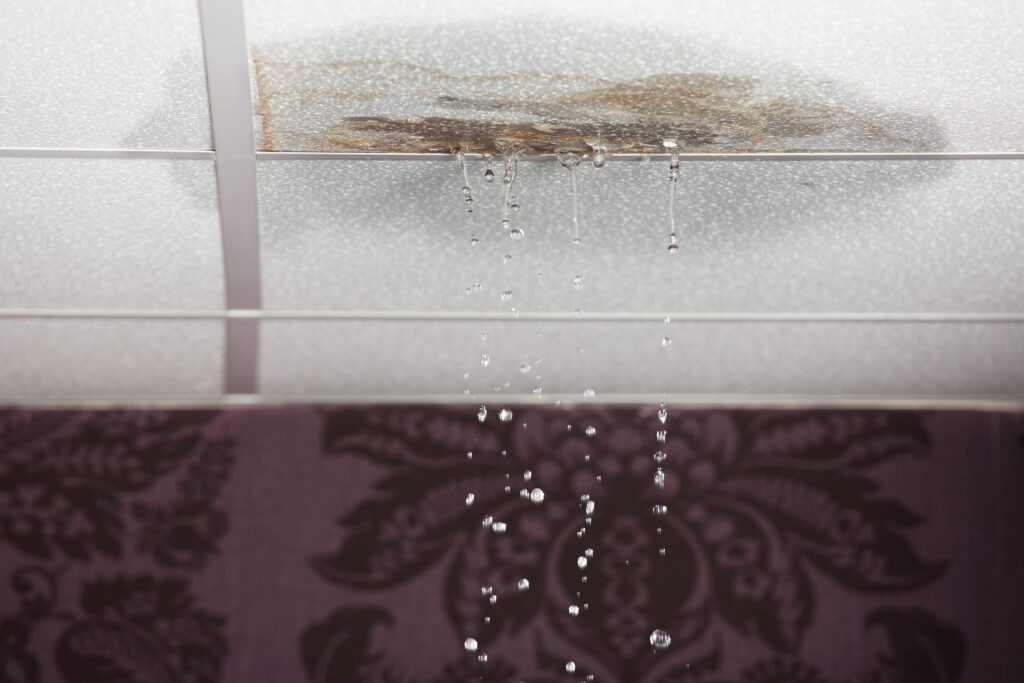
After a pipe bursts, smaller leaks often remain hidden behind walls or under floors. Damp patches, water stains, or reduced water pressure often signal ongoing plumbing issues.
Professional plumbers inspect surrounding pipework and fittings to ensure no further damage threatens the property.
Prevent future burst pipes
Burst pipes often follow freezing weather, ageing pipework, or increased system pressure. Routine maintenance reduces risk significantly.
Lag exposed pipes, maintain consistent heating during cold weather, and book regular plumbing inspections. Professional plumbers identify weak points early and carry out repairs before emergencies develop.
Know when emergency plumbing matters
Burst pipes qualify as a plumbing emergency due to the risk of flooding, property damage, and heating system failure. Fast response limits damage and shortens repair time.
Emergency plumbing focuses on stabilising the situation first, followed by safe, permanent repairs.
Get professional help when a pipe bursts
A burst pipe requires experience, correct tools, and safe working practices. Emergency plumbers protect your property, restore water supply, and ensure plumbing and heating systems operate safely again.
If a pipe bursts in your home, act quickly, isolate the systems, and contact a professional plumbing team without delay.