With so many different options available for your home’s heating, it can sometimes be difficult to make the right choice. Fortunately, our team at CNPH Plumbing And Heating are here to help, and we have put together this blog to provide you with all of the information you need to make the best decision for your home. If, after reading this, you still need more information, give our team a call and speak with an expert. The first question we need to answer here
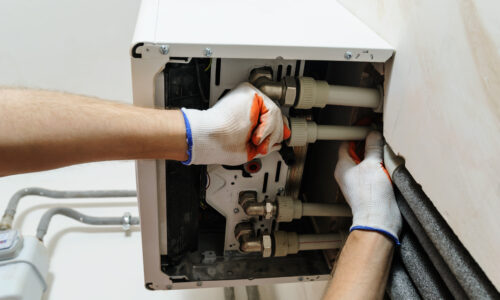
A combi boiler is a type of central heating system that provides both hot water and heating from a single unit. The name “combi” comes from the combination of the boiler and the water heater. Unlike traditional heating systems, combi boilers do not require a separate water tank or cylinder, which makes them more compact and space-efficient. They are particularly popular in small homes and apartments where space is at a premium. These types of boilers are becoming increasingly popular as newer homes are often more compact than they used to be.
How Does A Combi Boiler Work?
A combi boiler works by heating water directly from the mains supply rather than relying on a separate hot water tank or cylinder. When you turn on the hot water tap, the boiler fires up and heats the water as it flows through the system. This means that you can have hot water on demand without having to wait for a tank to fill up.
Similarly, when you turn on the heating, the combi boiler heats up water and circulates it through the system to provide heat to the radiators. Because the water is heated on demand, combi boilers are generally more energy-efficient than traditional heating systems as you aren’t continually losing heat from the water sitting in the tank.
One thing to note is that due to how they operate, combi boilers can struggle to provide hot water to multiple outlets at once, particularly if they have a low flow rate. If you live in a large household with multiple bathrooms or en-suites, you may find that a combi boiler struggles to keep up with demand and leaves you without the hot water you need. In these cases, a system boiler may suit your needs better, and our team of experienced heating engineers would be more than happy to help you choose the right one.
What Temperature Should Hot Water Be Set To On A Combi Boiler?
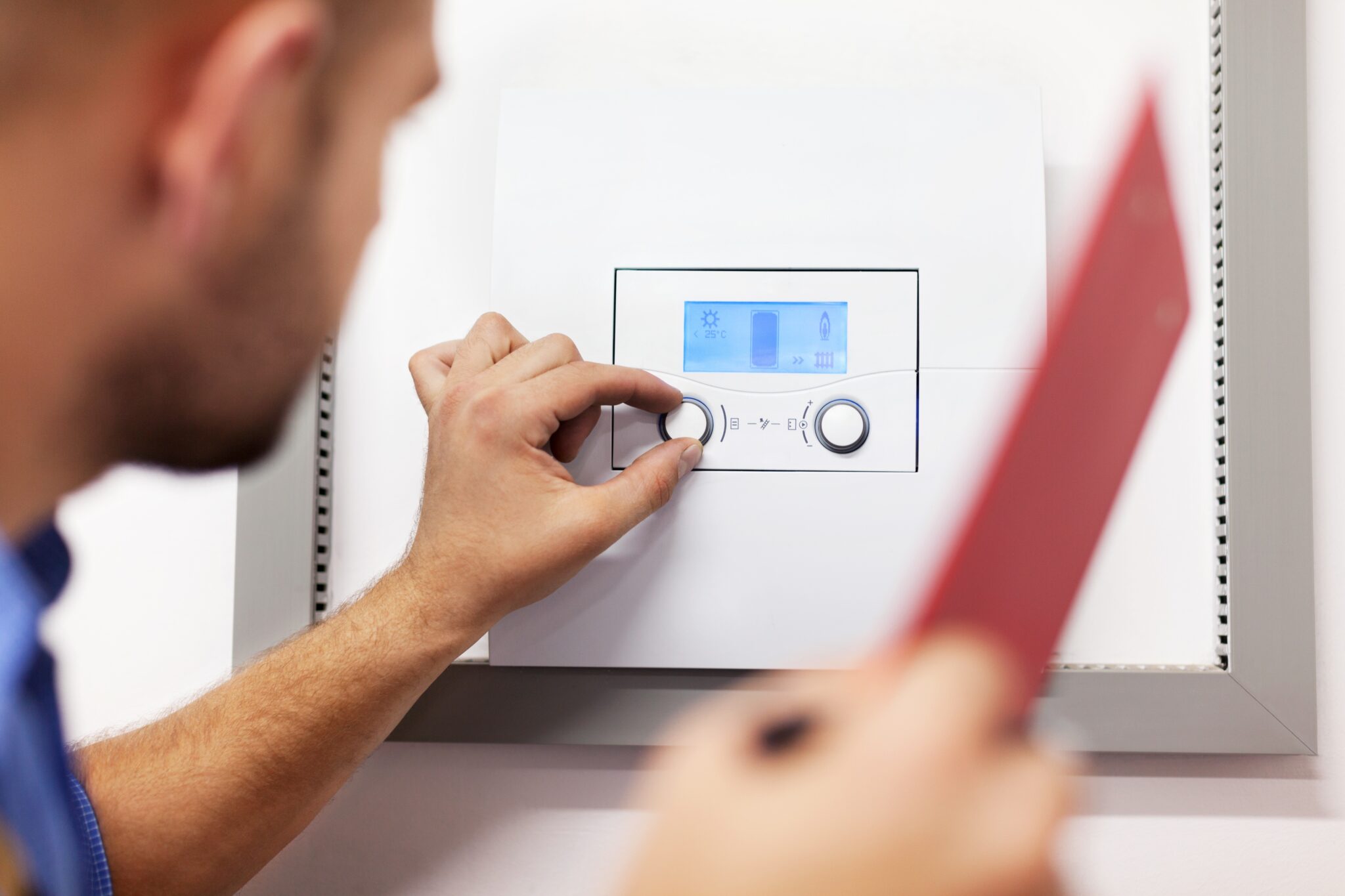
The temperature of your hot water should be set at a safe and energy-efficient level. Generally, a temperature of between 45-50°C is sufficient for most households. This temperature will ensure that your hot water is hot enough to kill bacteria while also being safe to use in bathrooms, kitchens and for your heating systems. If your water is too hot, you may be wasting a huge amount of money whilst also putting unnecessary strain on your system; however, having it too cold will make tasks such as washing far less effective.
It’s worth noting that if you have a low flow rate, you may need to set your hot water temperature slightly higher in order to achieve the desired level of heat. However, it’s important to find the right balance between comfort, safety, and energy efficiency. If you’re unsure about the right temperature for your hot water, you should consult the manufacturer’s instructions or speak to a qualified heating engineer.
What Are The Key Benefits Of A Combi Boiler?
So now that you have learned the basics of combi boilers, let’s quickly run through some of their key benefits.
- Space-saving: Combi boilers don’t require a separate water tank or cylinder, so they take up less space than traditional boilers. This makes them a great option for smaller homes or properties where space is at a premium.
- Energy efficiency: Combi boilers only heat the water that you need, when you need it. This means that they are more energy-efficient than traditional boilers, which heat up an entire tank of water even if you only need a small amount.
- Cost-effective: Because combi boilers are more energy-efficient, they can help to reduce your energy bills over time. Additionally, because they don’t require a separate water tank or cylinder, they are often cheaper to install than traditional boilers.
- Hot water on demand: With a combi boiler, you have access to hot water on demand, so there’s no need to wait for a tank to heat up. This is particularly convenient if you have a large family or use a lot of hot water.
- Reduced risk of leaks: Because combi boilers don’t require a separate water tank or cylinder, there is less risk of leaks or damage to your property. Additionally, because they don’t store large amounts of water, there is less risk of water contamination.
Overall, combi boilers offer a range of benefits, from energy efficiency and cost savings to convenience and space-saving design that makes the boiler installation much easier. If you’re considering a new boiler for your home, a combi boiler is definitely worth considering, just be sure to consult a boiler specialist before making any major decisions.
Give Our Team A Call!
If you need a plumbing and heating expert that you can rely on for your combi boiler needs, our experts at CNPH Plumbing And Heating should be your first port of call. We can provide all of the advice you could ever need to make the right decision for your home’s heating systems and we can use our years of experience to install, maintain and repair any boiler in the Doncaster area. Give us a call today and get started!